Worlds Un/Designed
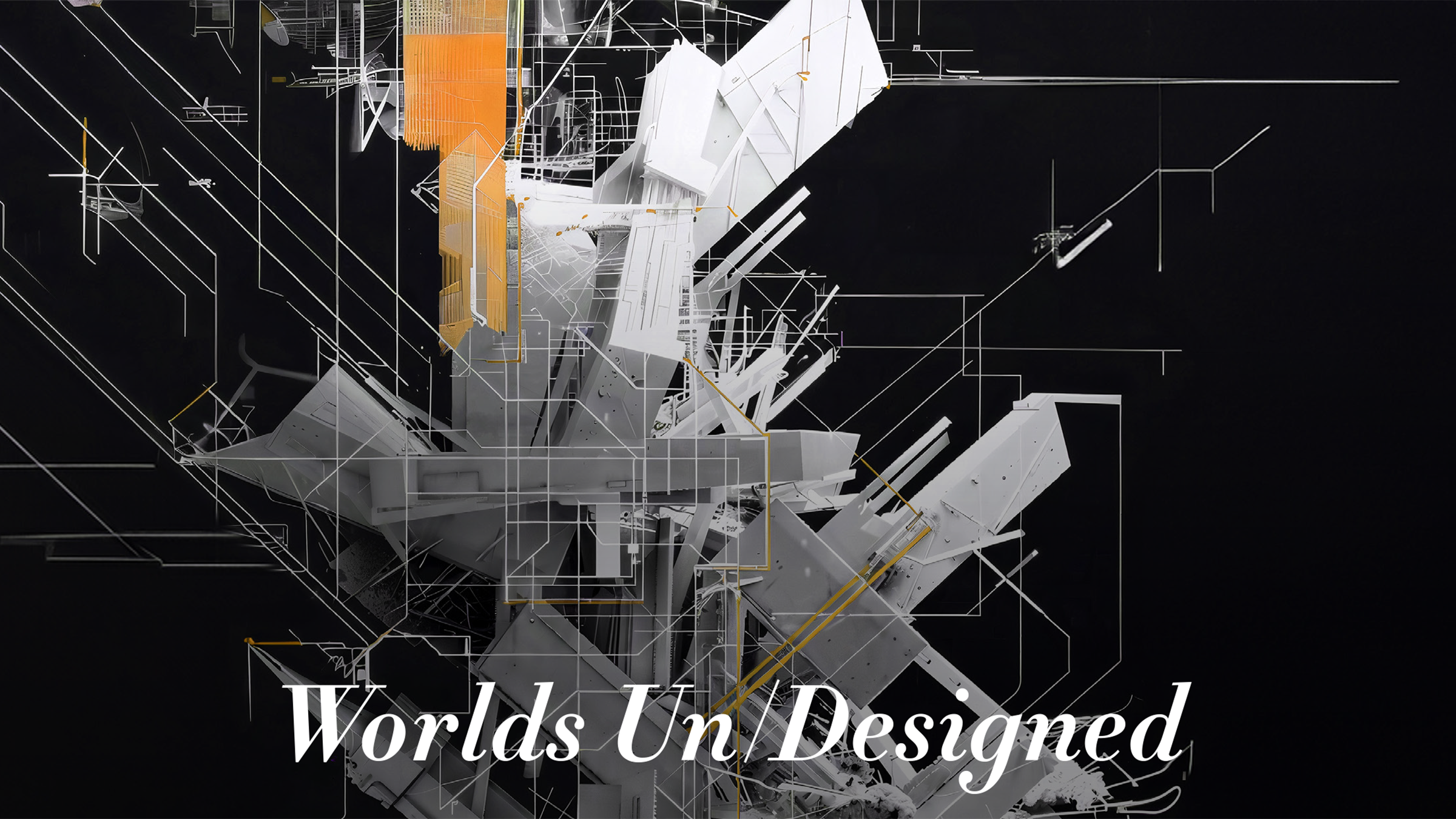
The School of Architecture and Design (NYIT) will host the Exhibition "Worlds Un/Designed". Curated by SoAD Dean Maria Perbellini, in collaboration with school Chairs and Thesis Coordinators, the exhibition celebrates a selection of projects developed by thesis students as part of their culminating design studio.
Curated by SoAD Dean Maria Perbellini, in collaboration with School Chairs and Thesis Coordinators, the exhibition Worlds Un/Designed celebrates a selection of projects developed by NYIT Long Island and New York City SoAD thesis students over the course of two semesters as part of their culminating design studio. The presentation will take place in the gallery space on the ground floor of the campus, facing the street.
The thesis year allows students to explore their values, positions, visions, and theories and translate them into the design of cities, buildings, and their components to rethink evolving environments. This involves developing site-specific solutions while also generating meaningful questions about broader historical, cultural, and ideological issues. The Thesis Studio enhances students’ ability to analyze and represent complex site contexts, fostering proactive, creative, and critical engagement with societal challenges. It requires them to work both independently and collaboratively.
Each year, the studio revolves around a central theme. This year’s theme, Worlds Un/Designed, explores how conventions in planning, infrastructure, architecture, interiors, materials, and spatial design have shaped architectural production over time, often reinforcing codified views of spaces, bodies, and environments. These frameworks can limit the possibility for more inclusive, resilient, and regenerative futures. In response, this year’s thesis studios seek to deconstruct such conventions by challenging design stereotypes across multiple scales, systems, and perspectives.
In today’s society, we are pressed more than ever to formulate, prevent, mitigate, and respond to historical and emerging models for our cities, buildings, and complex spatial environments and, therefore, for our ways of living. Through rigorous research methods, experimental design ideas and emerging technologies are iterated and tested against defined criteria and performance metrics in order to generate and assess new models and integrated systems for future success. Consistently, studios and students are encouraged to challenge prior norms, redefine them, and catalyze alternative design paradigms that foster healthier, more inclusive, resilient, and regenerative worlds for inhabitation.
This event offers a unique opportunity to reflect on design experimentation across varied scales, as developed through projects ranging from ground, site, and building to construction technologies, components, and emerging materials, in response to ever-changing hyper-local and global, individual and collective, circular needs.
Hosted by